Rudzinsky Associates Linking Companies with Leading Laser Talent Since the 1970s
Historic Growth in Laser, Optics, and Photonics: A Half-Century of Innovation
For more than fifty years, laser, optics, and photonics technologies have propelled exponential advancements in industries ranging from manufacturing to health care. Beginning in the 1970s, these fields steadily expanded their contributions to precision engineering, materials processing, and light-based solutions. Today, lasers empower high-speed production lines, optics enable sophisticated imaging and communication systems, and photonics paves new frontiers in quantum research and sensing tools.
This evolution is rooted in persistent research, investment, and cross-disciplinary collaboration. Each decade has introduced breakthrough applications—such as semiconductor laser diodes in the 1980s and high-power fiber lasers in the early 2000s. As new components became more efficient and affordable, their integration into larger systems spurred a wave of products and processes once considered science fiction. The result is a modern landscape where lasers and photonics have become critical enablers of advanced technologies and novel business models.
Shifting Boundaries and Next-Gen Applications
In recent years, optics and photonics have shown even greater promise. Photonic sensors increasingly guide autonomous vehicles, offering higher resolution to detect obstacles in real time. Medical lasers deliver targeted therapies with minimal invasiveness, harnessing femtosecond pulses to perform delicate incisions and accelerate healing. Meanwhile, global efforts to realize quantum computing rely on photonic circuits capable of handling large-scale computing at room temperature.
These groundbreaking developments underscore a persistent need for scientists, engineers, and project leaders able to push the boundaries of what light-based technologies can achieve. As emerging players join established manufacturers in exploring these rapidly expanding markets, demand for specialized talent continues to climb. At the core of this momentum stand the innovators—professionals equipped to develop, adapt, and seamlessly integrate photonics solutions across disciplines.
Cutting-Edge Laser Innovations Transforming Modern Manufacturing
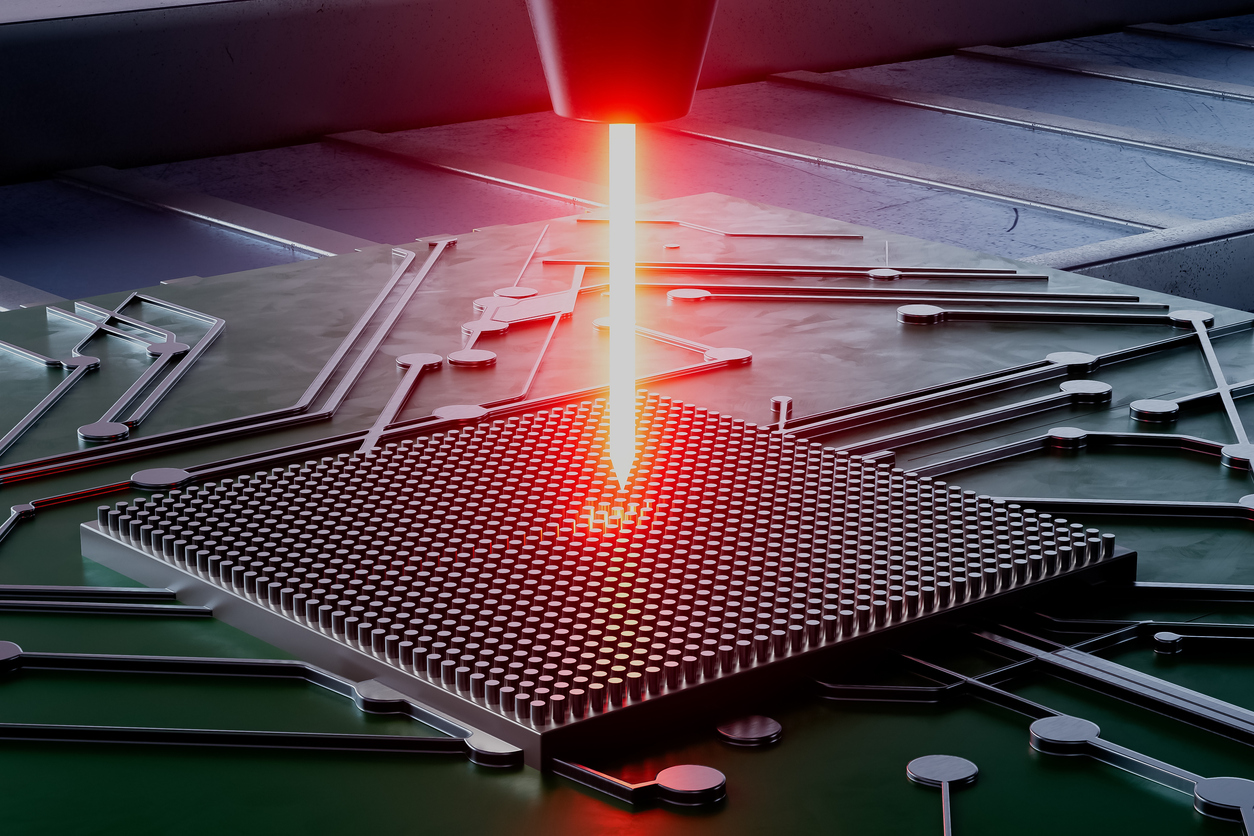
Lasers have fundamentally reshaped manufacturing by enabling high-precision processes that are faster, more scalable, and more adaptive than older mechanical methods. From microfabrication to large-scale metalworking, the adaptability of laser systems has driven industries to adopt photonic solutions for applications as diverse as automotive assembly, electronics production, and aerospace component development.
Enhancing Quality and Process Efficiency in Laser Manufacturing
A primary advantage of lasing technologies is the ability to automate intricate tasks. Laser cutting, drilling, welding, and additive manufacturing—such as selective laser sintering (SLS) and laser metal deposition—can produce components with micro-level accuracy. This precision reduces waste, streamlines workflows, and lowers long-term production costs. Furthermore, advanced laser systems often integrate with CAD software, allowing rapid design iterations and quick transitioning from prototypes to full-scale production.
In industries that demand tight tolerances, retaining skilled professionals is paramount. Laser engineers must optimize beam delivery, troubleshoot hardware and software issues, and align optical pathways accurately. Expertise in optics, electronics, computer vision, and mechanical design ensures that manufacturing lines remain efficient. As competition in aerospace, consumer electronics, and automotive sectors intensifies, companies that invest in top-tier laser talent and cutting-edge systems gain the flexibility to meet evolving market needs.
Advanced Optical Solutions Revolutionizing Healthcare
Within the medical arena, lasers and optics have introduced a paradigm shift in both diagnostic and therapeutic methods. Improved laser sources, high-resolution imaging devices, and photonic sensors contribute to minimally invasive surgeries, faster patient recovery, and more accurate disease detection. By leveraging the precision of light-based interventions, physicians can treat conditions with heightened safety and fewer side effects.
Breakthrough Noninvasive Therapies and Diagnostic Technologies
In many medical specialties, laser systems deliver targeted energy to tissue structures without impacting surrounding healthy cells. Ophthalmology has seen major strides with femtosecond lasers for corneal reshaping and cataract surgeries—enabling more precise incisions and decreasing patient recovery times. Dermatology relies on selective photothermolysis, targeting problem areas such as vascular lesions while minimizing unwanted side effects. Beyond treatment, advanced optical spectroscopic techniques analyze tissues in real time, reducing the need for invasive biopsies.
Developing these devices demands cross-functional teams where physicists, software engineers, and regulatory specialists collaborate to create reliable, clinically validated products. By ensuring safe and effective design, medical device companies not only enhance patient outcomes but also expand market opportunities. As healthcare systems worldwide push toward more patient-friendly interventions, the role of optical and photonic expertise continues to grow, hinging on dedicated research and collaboration across multiple scientific disciplines.
Photonics Leading the Quantum Computing Revolution
While lasers and optics advance manufacturing and medicine, they also underpin the emerging field of quantum computing. Utilizing quantum states of photons, photonic quantum computing promises remarkable leaps in processing power, data security, and real-time complex problem solving. Unlike other quantum architectures that require near-absolute-zero temperatures for stability, photonic systems can operate closer to room temperature, making them highly attractive for practical large-scale deployments.
Emerging Market Opportunities in Quantum Photonics
At the core of quantum photonics lies the manipulation of single photons for encoding and transmitting information. Governments and corporate research labs worldwide are investing heavily in R&D for photonic integrated circuits, building a foundation for quantum computers capable of solving challenges once considered intractable. Applications include revolutionary advancements in cryptography, materials design, and artificial intelligence, spanning everything from secure communications to breakthrough drug discovery.
This torrent of innovation spells an urgent need to recruit talent adept at integrating quantum mechanics principles with engineering realities. Quantum photonics projects require optoelectronic engineers, quantum algorithm developers, materials scientists, and data architects to work together toward complex objectives. As quantum computing evolves from experimental prototypes into scalable systems, interdisciplinary teams will shape industry standards, real-world implementations, and broader commercialization. Organizations eager to carve out a leadership position in quantum research must focus on a strategic mix of scientific acumen and engineering prowess.
Proven Strategies for Attracting Top Laser and Photonics Talent
The breadth of expertise needed in lasers, optics, and photonics poses recruitment challenges. Many roles demand advanced degrees in physics or engineering, along with niche specializations in optical design, laser control, or quantum system modeling. Employers that successfully tap into this specialized labor pool often share key recruiting strategies focused on relationship-building, innovation, and robust compensation.
Building Strategic Partnerships and Cultivating Industry Engagement
Companies seeking to hire high-caliber laser and photonics professionals can look to research institutions, universities, and professional societies for talent pipelines. Establishing relationships through sponsored research, student competitions, and technical conferences creates visibility and helps pinpoint emerging experts.
- Highlight Professional Growth: Provide clear career trajectories and ongoing technical training to attract forward-looking candidates.
- Promote a Culture of Innovation: Encourage creative problem-solving and reward bold ideas that push boundaries.
- Offer Competitive Compensation: Recognize that in-demand skill sets often command premium salaries and benefits.
- Leverage Specialized Recruiters: Collaborate with hiring teams knowledgeable in lasers, optics, and photonics to streamline searches and ensure ideal fits.
By emphasizing these principles, companies differentiate themselves in a crowded job market. Securing top talent has a direct influence on product development timelines, market competitiveness, and strategic growth. In a landscape underpinned by relentless technological evolution, an organization’s personnel can mean the difference between seizing leadership or falling behind.
Empowering Career Advancement in Laser, Optics, and Photonics
Professionals within laser, optics, and photonics find themselves at the crossroads of multiple scientific disciplines. The sector’s rapid expansion offers an array of opportunities—not just for PhD-level researchers but also for mechanical engineers, software developers, and business strategists. To remain both adaptable and valuable, individuals can forge a deliberate path that balances specialization with cross-functional awareness.
Finding Career Success in the Photonics Sector
Building expertise in a specific niche—such as fiber laser development, optical fiber design, or quantum optics—can establish a robust technical foundation. Equally crucial is broadening knowledge across adjacent fields like integrated circuit fabrication, image processing, and electronics packaging. Employers often seek professionals who can see beyond a single specialty and contribute to end-to-end system innovation.
Alongside technical prowess, soft skills such as team collaboration, project management, and effective communication elevate career trajectories. Whether liaising with cross-departmental stakeholders or presenting at global conferences, these abilities open doors to leadership positions and competitive roles beyond R&D. Active participation in professional organizations—like SPIE (International Society for Optics and Photonics) or Optica (formerly OSA)—supports ongoing learning and networking, offering insights into emerging trends that might otherwise remain undiscovered.
Accelerating Tomorrow’s Photonic Frontier: Key Insights for Innovators
The convergence of lasers, optics, and photonics across diverse industries has sparked a technological renaissance. Visibility into manufacturing lines, real-time medical diagnostics, and advanced quantum systems demonstrates how integrated photonic solutions are transforming traditional workflows. Collaboration among academia, private enterprises, and government initiatives fuels a continuous cycle of invention, ensuring that tomorrow’s light-based tools will be even more versatile and powerful.
Organizations poised to seize these opportunities embrace a culture that values ongoing education, invests in specialized teams, and pursues strategic collaborations. Through targeted recruitment and partnerships with universities or specialized recruiters, these companies create the environment necessary for breakthroughs. By promoting open communication between R&D teams, product managers, and executive leadership, they align innovation goals with practical market demands.
At the same time, individuals advancing their careers in photonics can harness high-impact research and global conferences to refine skill sets and spark new ideas. Breakthrough devices and processes often stem from professionals who combine scientific rigor with imaginative thinking. This blend of depth and curiosity shapes the future of photonics, ensuring technologies that power everything from next-generation surgical lasers to quantum data centers.
After decades of matching visionary organizations with the brightest minds in lasers, optics, and photonics, Rudzinsky Associates continues to facilitate strategic growth in this dynamic, light-driven realm. By focusing on recruitment excellence and forging lasting professional partnerships, we enable companies and talented specialists alike to stay at the cusp of photonic innovation.